Custom Software

Software built exactly for your business.

One upfront build, then ongoing support that fits how your business grows. No paying for features you don't use.

Why custom software.

Generic software is built for everyone, which means it fits no one perfectly. Most businesses end up running four or five different tools, paying full price for all of them, and using maybe 20% of each. When those tools don't talk to each other, someone on your team fills the gap manually.

Custom software flips that. Instead of renting a slice of the average, you get one system built around the way you actually operate, plus a set of advantages that off-the-shelf SaaS structurally can't offer.

Built for how you work

No bending your process to fit the tool, and no months-long implementation or data migration to get started. It's built around how you already operate, so it fits from day one — exactly what your business needs, nothing it doesn't.

You build IP, not a bill

Every SaaS subscription is money out the door for something you'll never own. Custom software is an asset that belongs to you — real intellectual property that adds value to your business instead of just draining it every month.

Cheaper than it used to be

AI has rewritten the economics of building software. What once took a full engineering team and a six-figure budget can now be delivered by one person for a fraction of the cost. That savings passes straight to you.

AI-ready — own your data

Your data lives in a structure you own, not locked inside someone else's platform. That means it's ready to plug into AI — automations, assistants, analysis — whenever you want, instead of waiting for a vendor to ship the feature.

No growth tax

SaaS charges you more every time you add a seat, a contact, or a transaction — you get punished for succeeding. Custom software isn't priced by the seat. What you pay is tied to what you build, not how big you get.

One system, not five

Replace a stack of disconnected tools — and the manual work of shuttling data between them — with a single system that just works. Fewer logins, fewer subscriptions, fewer places for things to fall through the cracks.

How it works.

01

Workflow mapping session

We start by documenting how your business actually operates, end to end. Every system, every handoff, every place where things break down or require manual work. This is the diagnosis before the prescription.

02

Custom build

I build software designed around your exact workflow. Not adapted from a template, not a configuration of someone else's product. Built from scratch to fit the way your business runs.

03

Ongoing improvements

Software is never really finished. As your business changes, so does what it needs to do. Whether that's a flat monthly subscription covering hosting and continued development, or follow-on projects as they come up, I stick around to keep it working and growing with you.

Sounds like your business? Let's talk.

Book a 15-Minute Call
About

Your technical department.

Most operational businesses don't need a full-time CTO or an internal engineering team. They need someone senior enough to know what to build, technical enough to build it, and invested enough to stick around. That's the role I play.

I've spent 15 years building software products, most recently as VP of Product at a venture-backed startup where I led product and engineering from zero to over $4 billion in managed spend. I know what it takes to build things that actually work at scale.

AI has changed the economics of what one person can deliver. What used to require a full dev team I can now build faster and at a fraction of the cost. That savings passes directly to you. And if you've been wondering how to take advantage of AI in your own business but don't have anyone technical to figure it out, this is how you get there.
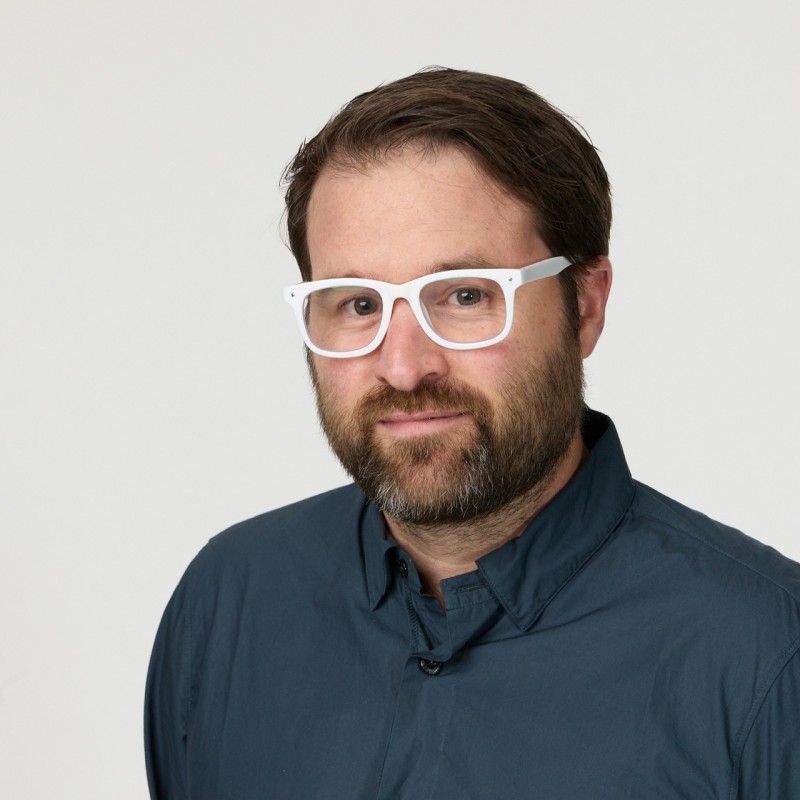
Jeremy Belcher

Jeremy Belcher

Founder

15-year product and software veteran. Former VP of Product. Now building custom software for operational businesses that have outgrown their tools.

FAQ

Questions worth asking.

What does custom software cost?

Every build is scoped to the problem, so there's no fixed price list. Most projects start with a one-time build cost, followed by an optional flat monthly fee that covers hosting and continued development. The build usually pays for itself by replacing several subscriptions you're only half-using and eliminating the manual work filling the gaps between them. You'll get a clear number before anything starts, not an open-ended invoice.

How long does it take to build?

Most first versions ship in a matter of weeks, not months. We start with the workflow that's costing you the most and get something working in your hands quickly, then refine from there. AI has changed the economics of building software, so what used to take a full team a quarter can often be delivered by one person in a fraction of the time.

Do I need to know exactly what to build?

No. That's what the workflow mapping session is for. Most people know where things break down but not what the software should look like, and that's completely normal. My job is to translate how your business actually operates into something worth building. You bring the problem; I figure out the solution.

How is this different from off-the-shelf tools?

Off-the-shelf software is built for the average business, so it fits no one perfectly. You bend your process to match the tool and pay for features you'll never touch. Custom software works the other way around: it's built for the exact way you already operate, with nothing you don't need. Instead of stitching four or five tools together, you get one system that does what your business actually requires.

Will it work with the tools I already use?

Usually, yes. A lot of the work is connecting systems that were never designed to talk to each other so data flows automatically instead of someone copying it by hand. If a tool you rely on is worth keeping, we build around it. If it's causing more problems than it solves, we can replace that piece too.

What happens after it's built?

Software is never really finished. As your business changes, so does what it needs to do. I stick around to keep it running and growing with you, whether that's a flat monthly subscription covering hosting and ongoing improvements or follow-on projects as they come up. You're not left with something you can't maintain.

What kinds of businesses is this for?

Operational businesses that have outgrown their tools. If your team is juggling several systems that don't connect, doing manual work to move data between them, or paying for software that almost fits but not quite, that's the sweet spot. You don't need a technical background or an in-house engineering team; that's the role I play.

Let's talk

Let's map your workflow.

A 15-minute call is enough to know whether there's a fit. Tell me how your business operates and where things break down. No pitch deck. No commitment.