One senior person who designs and builds, with AI doing the work a team used to. A working prototype in two weeks, a launch-ready MVP in under 30 days.
Running an operations-heavy business with systems that don't talk to each other? See Custom Software →
You work with me from day one. No handoff to a junior team after the sale.
Instead of coordinating designers, developers, and PMs, I direct AI. The output is the same and the cost is a fraction.
Same timezone, real-time answers. No async lag and no 2am pings.
Prototypes here are working code, not clickable mockups. Users test the real thing, and the prototype grows into the product instead of getting thrown away.
You're a founder ready to launch. You've priced out agencies and balked at $150K quotes and six-month timelines. You don't need an army. You need one expert with the leverage of a full team.
You run a product or engineering team and want to test a new initiative without pulling people off current priorities. I build it fast, separate from your stack, and hand it over when it works.
You've launched, and there's more to build than your team can ship. On retainer I work like an in-house product studio: design, build, and ship every month.
Better to know now than three weeks in.
Amber needed a product designed and built. Instead of two separate engagements, with two bids, two people and two handoffs, she got one workstream covering product strategy, design, and front-end development, with nothing lost between design and build.
Read the Case Study →"Working with Jeremy was a dream. He took the time to deeply understand what we were building and why. He ran with our ideas but pushed back when what we had in mind didn't make sense. We're thrilled with the results. We get complimented on the look of our product constantly."
Amber, Co-Founder & CEO, Merritt
We dig into the problem, the users, and the business context. I come in as a senior operator, not a junior intake form.
AI helps synthesize discovery and draft options, the plan, and tickets. We agree on what we're building and why, without weeks of project management overhead.
We go straight to code. No Figma, no handoff, no translation loss between design and development.
We put the working prototype in front of real users. They test the real thing, not a mockup. We refine in code based on what we learn. Fast loops, no redesign cycles.
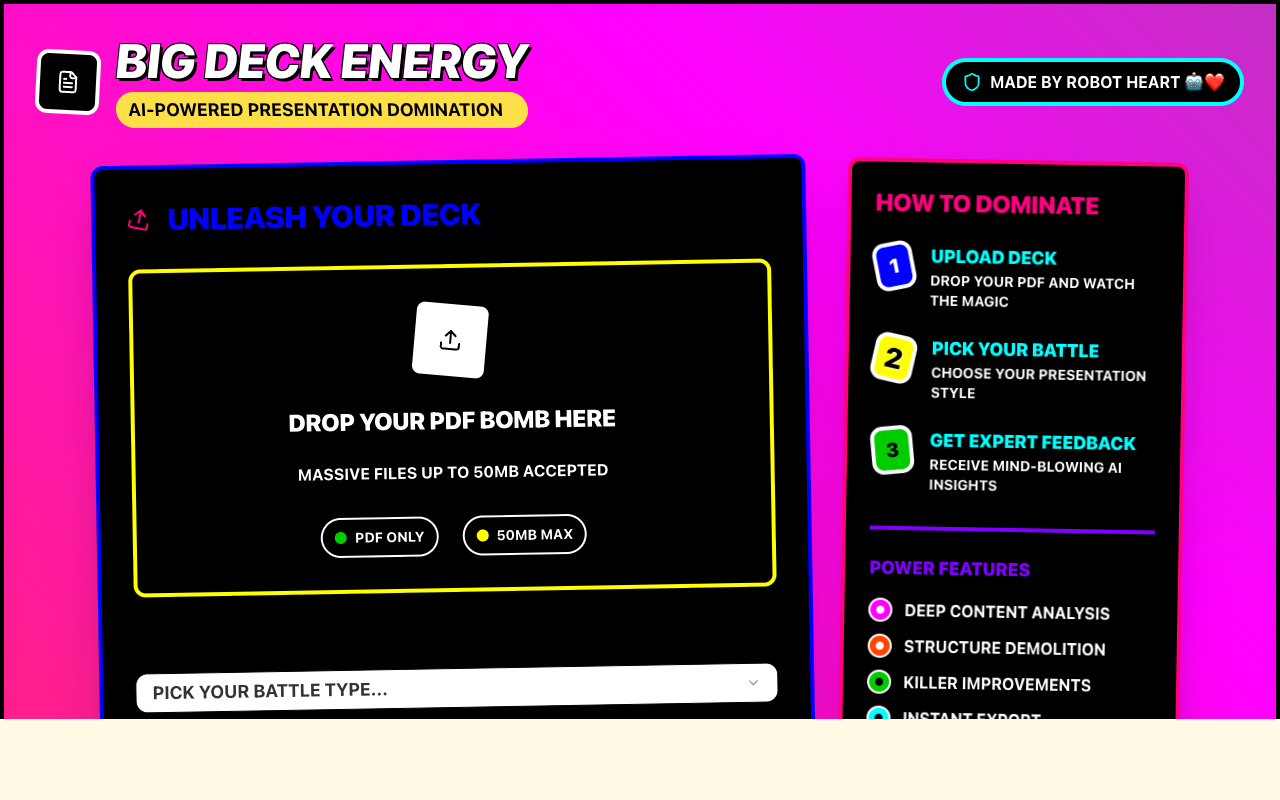
1 DAY AI presentation optimizer with expert feedback and tactical suggestions. The kind of tool that usually takes a team a sprint to scope. Built in 1 day.
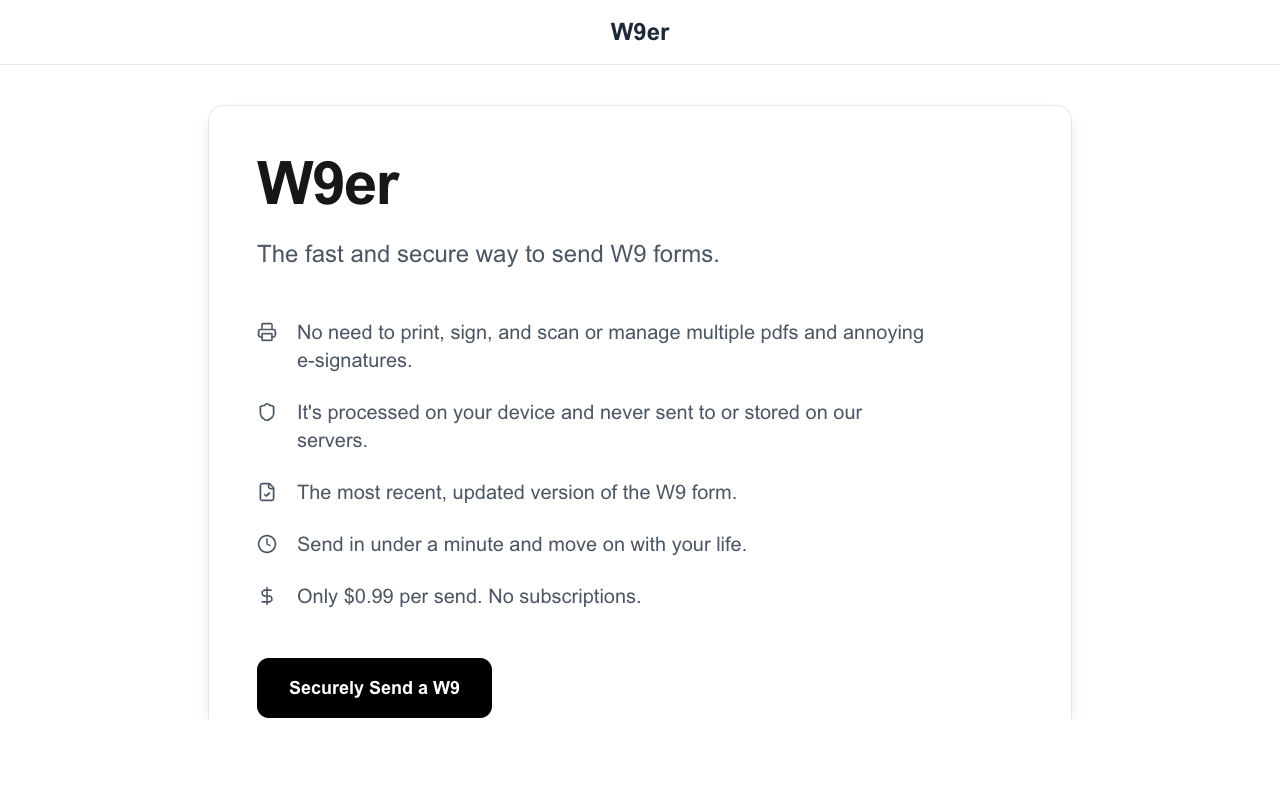
3 DAYS Browser-based W-9 form management with secure handling and no data retention. A compliance workflow most teams outsource to a vendor. Built in 3 days.
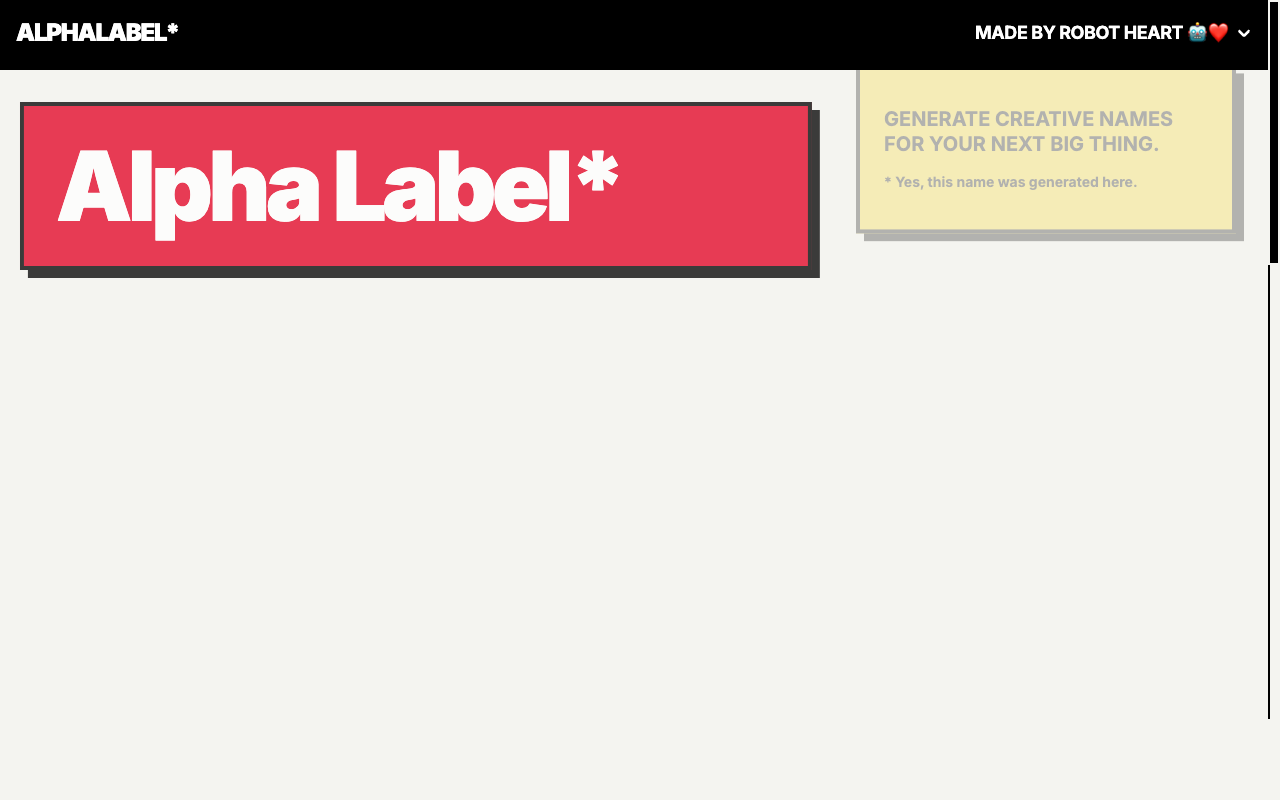
10 DAYS AI-powered company and product naming with real-time trademark and domain checks. A naming agency charges $15K–$30K for this. Built in 10 days.
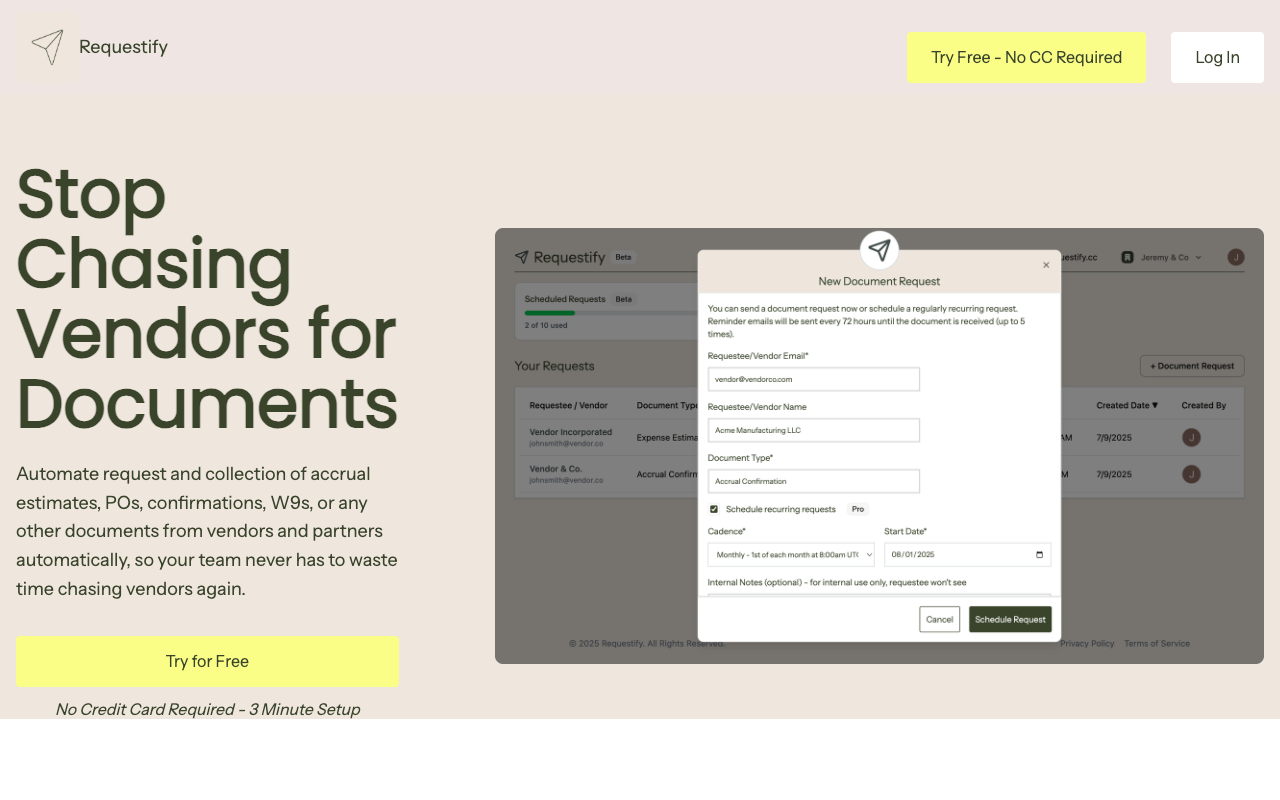
3 WEEKS Automated vendor request platform for finance teams. A full procurement SaaS product, the kind of thing agencies quote 3–6 months for. Built in 3 weeks.
The MVP Assessment Canvas is a self-assessment for founders and teams building new products. It walks through the problem, who has it, what they use today, what the first version needs to include, and how you'll know it's working.
It's free. Your answers save in your browser as you go, and you can print the finished canvas or bring it to a call.
Open the MVP Assessment Canvas →A working prototype in one to two weeks and a launch-ready MVP in under 30 days. Recent builds include Big Deck Energy in one day, W9er in three days, Alphalabel in ten days and Requestify, a full procurement SaaS product, in three weeks.
Product strategy, design and a fully built working app, all from one person. The process runs discovery, strategy, build, then test and iterate with real users on the real product. A prototype stops after the first loop, an MVP runs until it is ready to launch, and a retainer keeps the loop going.
Yes. Robot Heart builds straight in code rather than in Figma, so even a prototype is working software users can test, not a static mockup. The prototype grows into the product instead of being thrown away.
No. One workstream covers product strategy, design and front-end development, with zero translation loss between design and build. Merritt got their platform designed and built this way for about half the cost of hiring a designer and a developer separately.
Founders who have the idea but not the runway to waste on six-figure agency quotes and six-month timelines, product or engineering teams who want to test a new initiative without pulling people off current priorities, and teams that have launched and need someone shipping every month. It is not a fit if you need deep legacy integrations from day one, want design files to hand to another dev team, or are connecting the systems behind an operations-heavy business, which is what Custom Software is for.
For teams that have launched and have more to build than they can ship. Jeremy works like an in-house product studio, designing, building and shipping every month against priorities you set together. It is a flat monthly fee agreed up front.
Prototypes and MVPs are scoped per project. Retainers are a flat monthly fee. Both are priced as one senior person with AI leverage rather than an agency org chart, so typically a fraction of an agency quote. You get a clear number before anything starts.
Jeremy Belcher leads every engagement and orchestrates AI tools such as Claude Code and Cursor to do the work a junior team used to do: synthesizing discovery, generating plans and tickets, and writing code. Fifteen years of product judgment decides what gets built. AI is the leverage, not the decision-maker.
Start with the free MVP Assessment Canvas at robotheart.studio/mvp-canvas. It walks through the problem, users, competition, scope, validation and go-to-market, saves your answers in your browser, and gives you something concrete to bring to a call.
Book a free 15-minute call. We'll talk through what you're building, whether a prototype, an MVP or a retainer fits, and what a realistic timeline looks like. No pitch deck, no sales process. Just a conversation with the person who'd actually build it.